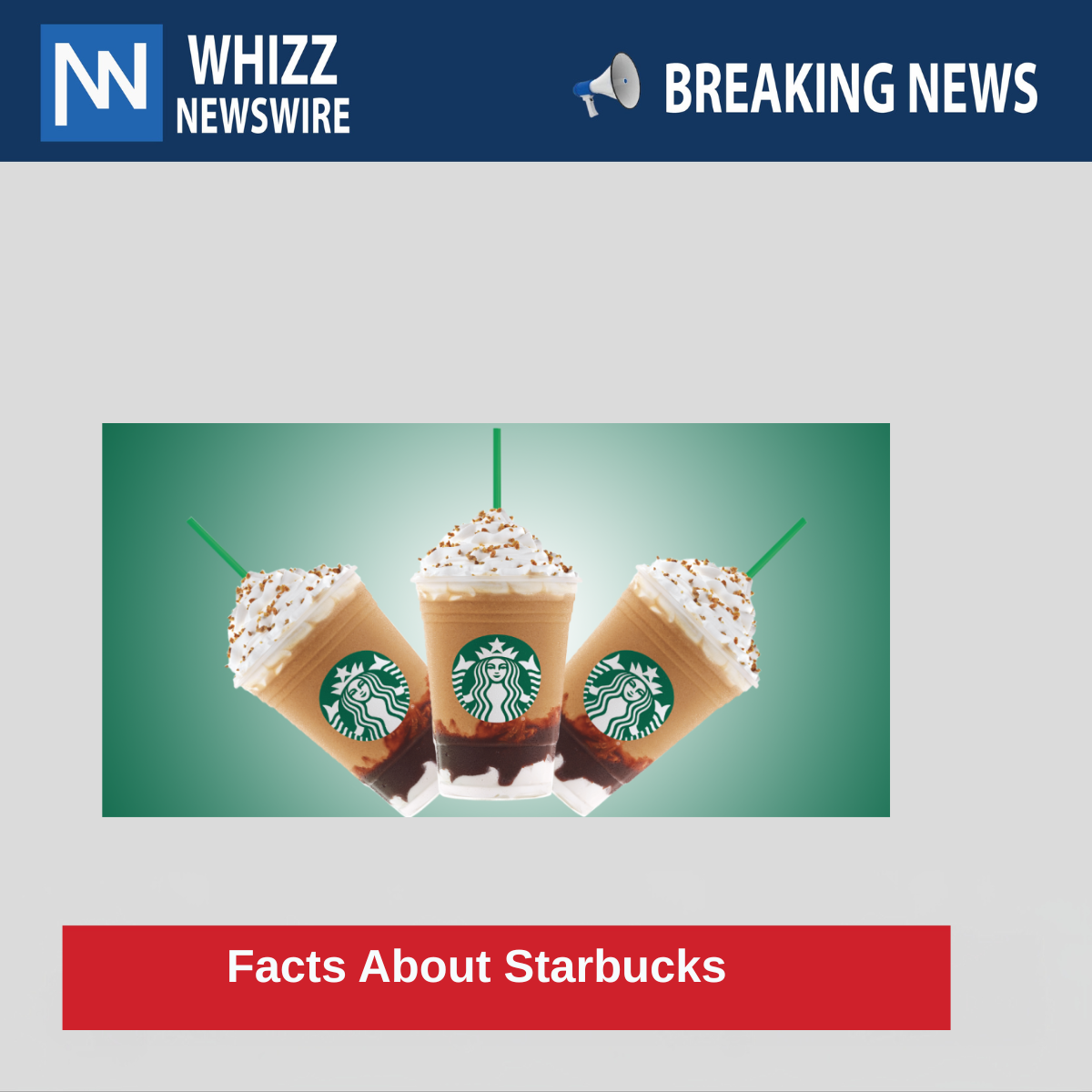
When you think of coffee, there’s a good chance one name comes to mind: Starbucks. But how did a small shop in Seattle grow into a brand recognized in almost every corner of the world? What secrets lie behind its signature drinks, green aprons, and millions of daily customers?
In this article, we’ll uncover fascinating facts about Starbucks that go far beyond what’s on your cup. From its unexpected origins to its global expansion, record-breaking drinks, and bold social moves, here’s everything you didn’t know you needed to know about the world’s most famous coffeehouse.
1. It Started as a Store for Beans, Not Lattes
In 1971, Starbucks opened its first store in Seattle’s Pike Place Market but it didn’t sell brewed coffee. Instead, the founders focused on selling premium coffee beans and equipment. It wasn’t until Howard Schultz joined the company and traveled to Italy that the concept of turning Starbucks into a coffeehouse experience was born.
2. Starbucks is in Over 80 Countries
With more than 40,000 locations globally, Starbucks has become a household name across continents. Its biggest markets include the United States, China, Canada, and Japan. The brand’s ability to adapt its menu to local tastes (like Matcha in Japan or Dragonfruit drinks in the Philippines) has helped it become a worldwide icon.
3. You Can Order Over 87,000 Drink Combinations
Think you’ve tried everything on the menu? Think again. Starbucks’ customization options mean that over 87,000 unique drink combinations are possible, thanks to a mix of syrups, milk types, espresso shots, toppings, and more. No wonder every barista has their own stories of wild drink orders.
4. Pumpkin Spice Latte Is a Billion-Dollar Idea
The Pumpkin Spice Latte (PSL) was launched in 2003 as a seasonal item. Today, it’s not just a drink, it’s a cultural moment every fall. With more than 600 million sold globally, the PSL has generated over $1 billion in revenue and inspired everything from candles to memes.
5. Starbucks Is Big on Sustainability
The company has pledged to reduce carbon emissions, water usage, and waste by 50% by 2030. They also run Hacienda Alsacia, a coffee farm in Costa Rica that researches sustainable farming. Their C.A.F.E. practices ensure ethical sourcing, supporting thousands of farmers across the world.
6. Starbucks Employees Get Unique Benefits
Unlike many fast-food chains, Starbucks offers its employees (called “partners”) health insurance, stock options, tuition coverage through ASU, and mental health resources even for part-timers. It was one of the first companies to offer these benefits back in the 1980s.
7. The Most Expensive Starbucks Drink Ever Was Over $100
Some customers have pushed customization to the extreme. One man once created a custom Starbucks drink costing over $100, using 60+ espresso shots and loads of syrups. These stunts often go viral but also show how flexible the ordering system can be.
8. There’s a Starbucks in a Shipping Container and on a Train
Starbucks has created architecturally unique stores, including:
- A location made entirely of recycled shipping containers.
- One on a commuter train in Switzerland.
- Another inside a bank vault in Amsterdam.
These flagship stores reflect local culture and Starbucks’ effort to blend into urban landscapes creatively.
9. Starbucks Also Dabbles in Music and Tech
In the early 2000s, Starbucks had its own music label, launching Grammy-winning albums like Ray Charles’ Genius Loves Company. Today, they collaborate with Spotify and Apple Music to curate in-store playlists, and their mobile app is one of the most downloaded food and drink apps worldwide.
10. Not Always a Smooth Brew
Despite its global success, Starbucks has faced controversies ranging from racial profiling incidents, unionization pushbacks, to criticisms over pricing and tax avoidance. The company has responded with training, public apologies, and operational changes, though some critics remain vocal.
Final Thoughts
Starbucks is more than a place to grab your morning coffee; it’s a cultural brand, a business case study, and a part of everyday life for millions. Whether you admire it for its consistency or critique it for being corporate, there’s no denying the impact it’s had on how we think about coffee, community, and even convenience.
So next time you sip that caramel macchiato, remember: there’s a lot more behind the cup than just espresso and milk.
For similar content visit here