
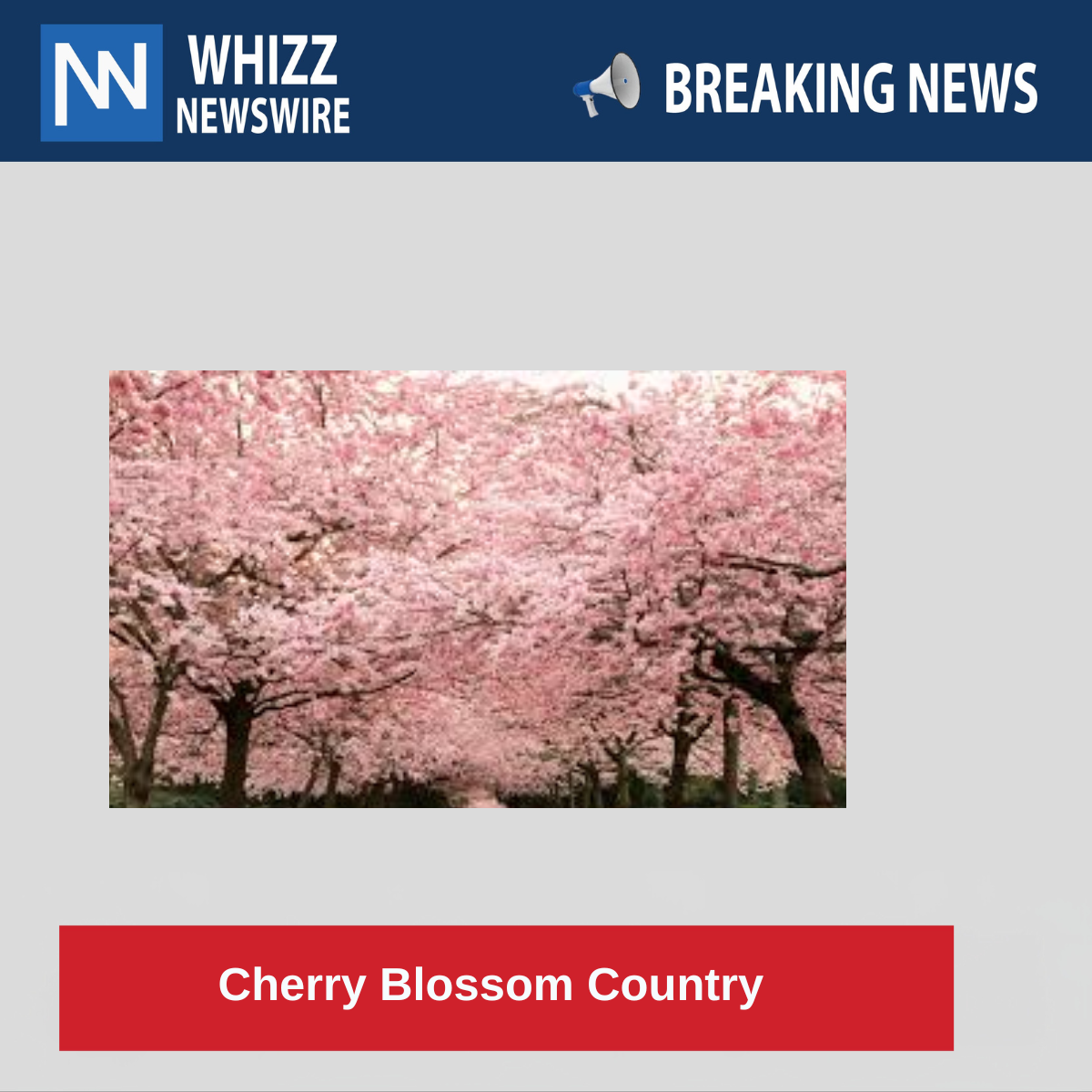
Japan is universally recognized as the home of cherry blossoms, or sakura in Japanese. While cherry trees bloom in various parts of the world, no other country embraces the beauty, symbolism, and ritual of cherry blossoms quite like Japan does. These delicate pink and white flowers are deeply intertwined with Japanese identity, culture, and even philosophy.
Cultural and Spiritual Significance of Sakura in Japan
1. Symbol of Impermanence (Mono no Aware)
- The cherry blossom is a metaphor for life itself, beautiful, brief, and fleeting.
- In Japanese philosophy, particularly influenced by Zen Buddhism, there’s a concept called “mono no aware” (物の哀れ) the gentle sadness and appreciation of transience.
- Because cherry blossoms bloom gloriously and then fall within a week or two, they symbolize ephemeral beauty, the fragility of life, and the value of living in the present.
2. Hanami – The Art of Flower Viewing
- Hanami (花見) means “flower viewing,” and is one of Japan’s oldest and most cherished traditions.
- Originated in the Heian Period (794–1185) when aristocrats would compose poetry beneath the blossoms.
- Today, hanami is celebrated with festivals, family picnics, food stalls, music, and even lantern-lit night viewings called yozakura.
- Parks and gardens across the country are filled with people celebrating under the cherry trees, often with bento meals, sake, and lively conversation.
Historical Context of Cherry Blossoms in Japan
- Ancient Roots: Cherry blossoms were originally admired by the Japanese imperial court and nobility.
- Samurai Symbolism: During the Edo period, the sakura became symbolic for samurai warriors, whose lives were often short-lived yet honorable and impactful.
- Wartime Use: In WWII, the Japanese military used cherry blossoms as a symbol of patriotism and sacrifice, often painting them on warplanes or referencing them in kamikaze missions.
- Post-War Revival: After the war, the cherry blossom regained its peaceful and reflective meaning, becoming a symbol of renewal and national unity.
Cherry Blossom Viewing in Japan
Japan’s sakura season spans from late March to early May, moving from the southern islands of Okinawa to the northern island of Hokkaido.
Famous Cherry Blossom Spots:
- Tokyo:
- Ueno Park: Over 1,000 trees, lively hanami parties.
- Shinjuku Gyoen: Quiet, scenic, and perfect for relaxed viewing.
- Ueno Park: Over 1,000 trees, lively hanami parties.
- Kyoto:
- Philosopher’s Path: A romantic walk along a canal lined with hundreds of sakura trees.
- Maruyama Park: Features Kyoto’s most famous weeping cherry tree, lit up at night.
- Philosopher’s Path: A romantic walk along a canal lined with hundreds of sakura trees.
- Osaka:
- Osaka Castle Park: Stunning blend of history and nature, with cherry trees surrounding the ancient castle.
- Osaka Castle Park: Stunning blend of history and nature, with cherry trees surrounding the ancient castle.
- Hokkaido:
- Goryokaku Park: A star-shaped fort turned park in Hakodate, blooming later in May.
- Goryokaku Park: A star-shaped fort turned park in Hakodate, blooming later in May.
- Mount Yoshino (Nara Prefecture):
- Home to over 30,000 cherry trees, this mountain is considered one of the most spectacular sakura locations in the world.
- Home to over 30,000 cherry trees, this mountain is considered one of the most spectacular sakura locations in the world.
Cherry Blossom Forecast in Japan
- The Japan Meteorological Agency releases a “Sakura Zensen” (cherry blossom front) every year.
- This forecast tracks the blossoming from south to north, helping people plan their trips.
- The peak bloom only lasts a few days, so timing is essential for hanami travelers.
Cherry Blossoms as a Global Symbol of Friendship
- In 1912, Japan gifted 3,000 cherry trees to the United States as a symbol of friendship.
- These were planted around the Tidal Basin in Washington, D.C., creating one of America’s most iconic spring events the National Cherry Blossom Festival.
- Japan has also gifted cherry trees to France, Brazil, Canada, the Philippines, and Australia, helping globalize the symbolism of sakura.
Other Notable Cherry Blossom Countries
While Japan is the heart of cherry blossom culture, other countries have developed their own traditions:
South Korea:
- The Jinhae Cherry Blossom Festival is the largest in Korea, attracting over 2 million visitors.
- Seoul’s Yeouido Park is a popular spot with festivals and street performances.
United States:
- Washington D.C. hosts a 4-week-long Cherry Blossom Festival every spring.
- The original cherry trees were gifted by Japan and have since become a national treasure.
China:
- While cherry trees are native to parts of China, the cultural symbolism is more aesthetic than spiritual.
- Wuhan University and Shanghai Botanical Garden host large festivals.
Why Japan Stands Out
| Feature | Japan | Other Countries |
| Cultural Symbolism | Deeply rooted in history, poetry, and religion | Primarily seasonal tourism attraction |
| National Celebration | Yes – Hanami is a national tradition | Limited to festivals |
| Tree Variety | 200+ varieties, including Somei Yoshino | Mostly ornamental cherry trees |
| Seasonal Planning | Nationwide forecasts & tours planned | Localized celebrations |
| Global Influence | Originator of sakura gifting tradition | Recipients of gifted trees |
Final Thoughts
If you ask “Which country is the cherry blossom country?” the answer is, undoubtedly, Japan.
With centuries of cultural reverence, nationwide celebrations, and iconic landscapes, Japan has transformed the cherry blossom from a simple flower into a powerful symbol of beauty, impermanence, hope, and peace.
Whether you’re watching them fall in Kyoto’s ancient temples, celebrating with friends under the trees in Tokyo parks, or reflecting by a riverside in Hokkaido, Japan offers the most authentic and soul-stirring cherry blossom experience on Earth.
For similar content visit here