
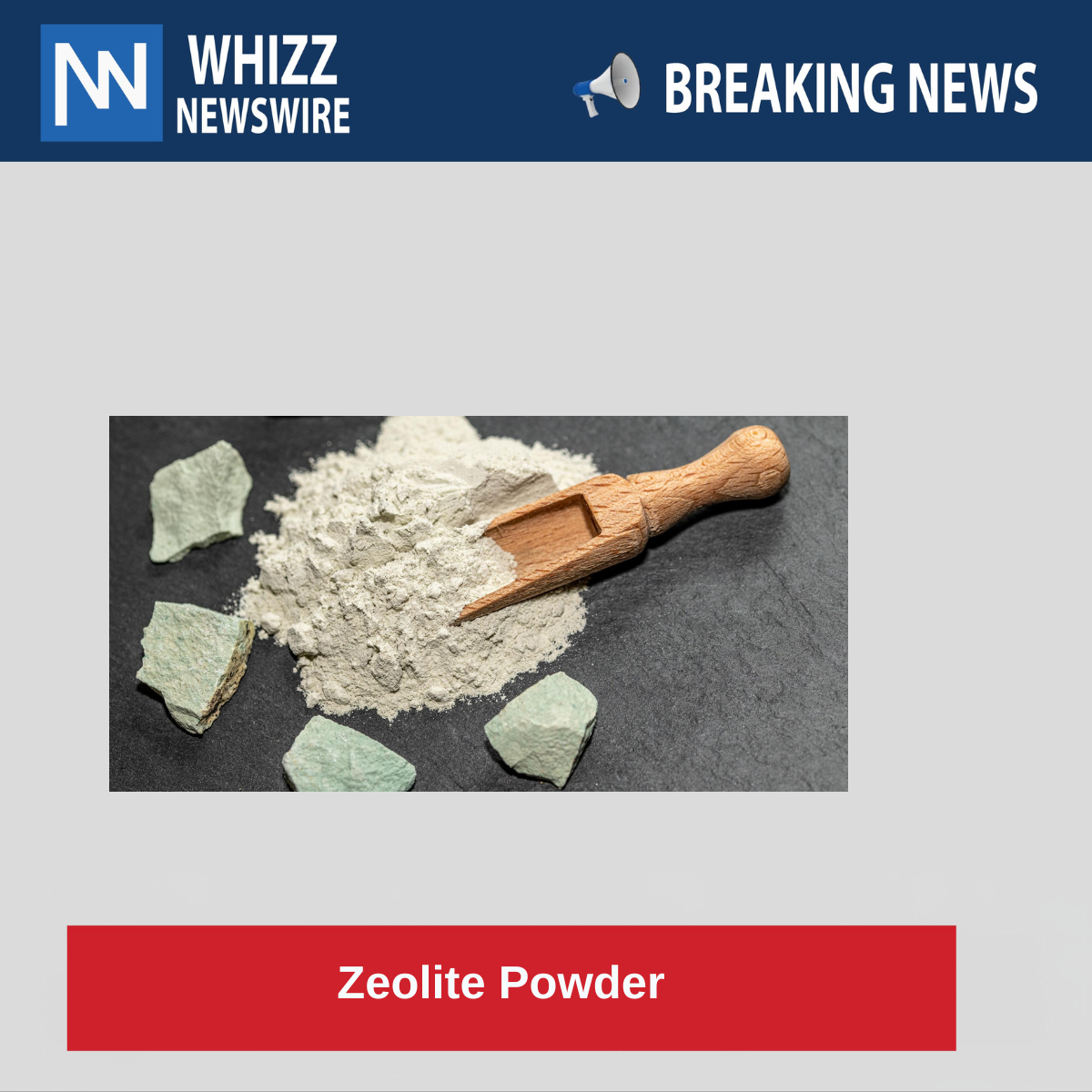
Zeolite powder is a naturally occurring or synthetically produced aluminosilicate mineral known for its unique porous structure. It is used in a variety of industrial, environmental, and health-related applications due to its ability to trap, exchange, and filter molecules.
1. What Is Zeolite Powder?
Zeolites are microporous, crystalline solids composed primarily of silicon, aluminum, and oxygen. The most common zeolite used in powder form is clinoptilolite, although other forms like mordenite and chabazite are also used. Zeolite powder is typically ground into a fine, white to off-white powder for various applications.
2. Structure and Properties
- Microporous Structure: Zeolites have a honeycomb-like structure filled with cavities and channels. These allow them to trap and exchange ions and molecules.
- Cation Exchange Capacity (CEC): Zeolites can exchange positively charged ions like heavy metals and ammonia.
- High Surface Area: Provides significant adsorption capacity.
- Thermal Stability: Can withstand high temperatures without degrading.
- pH Stability: Works effectively in a wide pH range.
3. Applications of Zeolite Powder
A. Industrial Uses
- Detergents: Used as water softeners to replace phosphates.
- Catalysts: In petrochemical industries for cracking and refining.
- Gas Separation: Helps in separating gases like oxygen and nitrogen.
- Concrete and Cement: Enhances strength and durability.
B. Environmental Uses
- Water Filtration: Removes heavy metals, ammonia, and radioactive elements.
- Air Purification: Captures harmful gases and odors.
- Soil Remediation: Binds toxic substances and heavy metals in contaminated soils.
C. Agricultural Uses
- Animal Feed Additive: Absorbs toxins in livestock digestive systems.
- Soil Conditioner: Enhances nutrient retention and aeration in soil.
- Odor Control: Used in animal bedding to absorb ammonia and other odors.
D. Health & Wellness
- Detoxification: Often marketed as a dietary supplement to remove heavy metals from the body (though scientific support is limited).
- Skin Care: Found in face masks and scrubs due to its exfoliating and cleansing properties.
- Anti-Microbial Properties: Claimed to reduce harmful microbes on skin.
4. Safety and Considerations
- Inhalation Risk: Fine powder can be harmful if inhaled over time—wear a mask when handling.
- Ingestion Caution: Only food-grade zeolite should be consumed, and it should be used under professional supervision.
- Regulation: Some claims especially health-related are not approved by agencies like the FDA.
5. Synthesis and Availability
- Natural Zeolite: Mined from volcanic deposits.
- Synthetic Zeolite: Created in labs for specific applications (e.g., zeolite A for detergents).
- Forms Available: Powder, granules, and capsules (for health supplements).
6. Popular Brands & Market
Zeolite is widely available online and in health stores. Brands differ based on source, purity, and use-case industrial vs. cosmetic vs. dietary.
Conclusion
Zeolite powder is a versatile and powerful material with broad applications across industries. Its natural filtration and detoxifying properties make it valuable in environmental cleanup, agriculture, and even personal care. However, caution is necessary when using it for health purposes, and claims should be critically evaluated for scientific backing.
For similar content visit here