Samsung Takes on Apple in the Digital Health Race
As the global population ages and healthcare costs continue to rise, tech companies are pivoting toward health innovation. Samsung, one of the world’s biggest smartphone makers, is stepping up its game to compete with Apple in the wearable tech industry. With a focus on helping people stay healthy as they age, Samsung is launching new smartwatch features designed to bring healthcare into the home.
This move aims to position Samsung as a major player in the digital health space, targeting older adults who want to “age in place” and avoid rising medical expenses.
Smartwatches Becoming Essential Health Companions
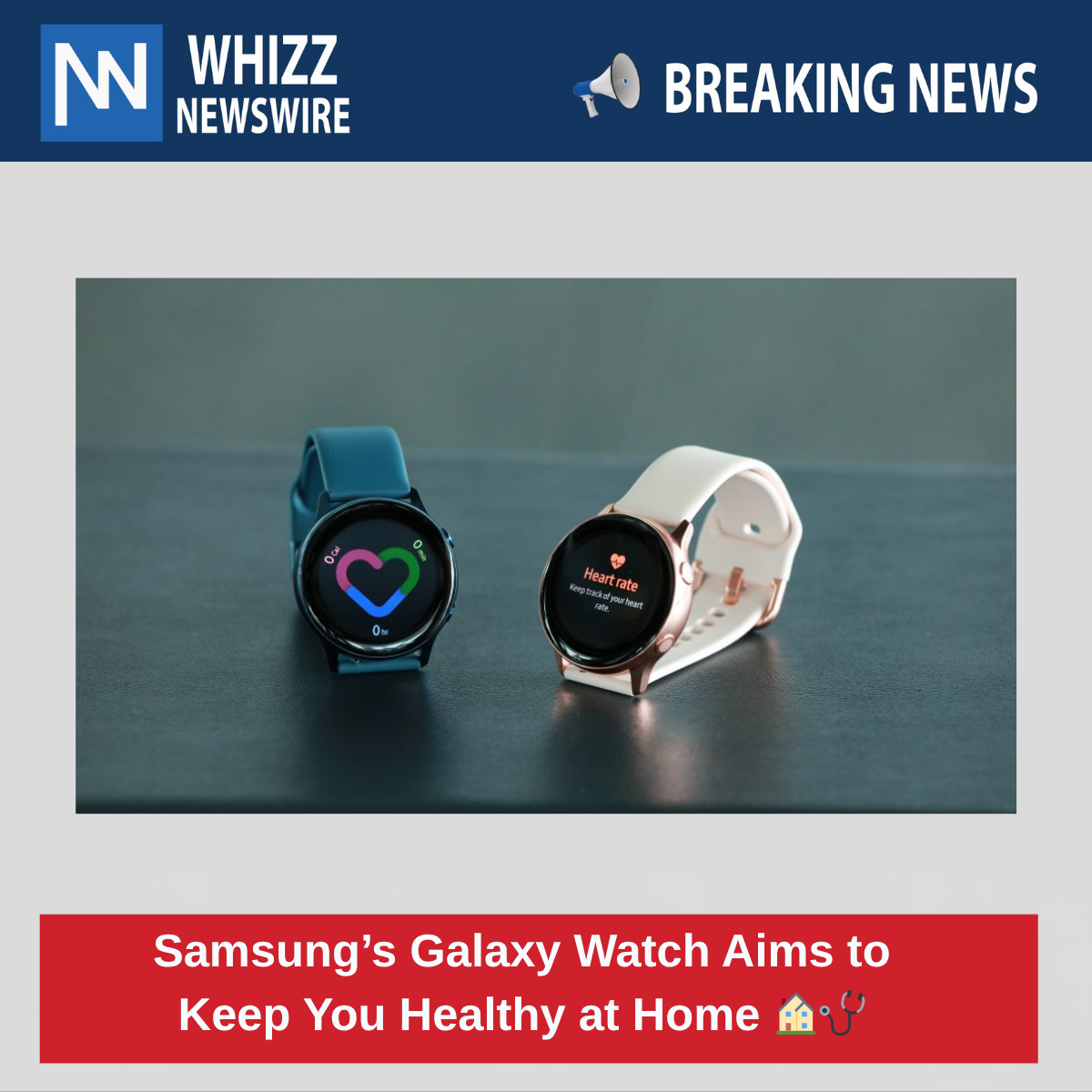
Samsung’s upcoming Galaxy Watch update introduces several advanced features designed to help users monitor their health more closely. Hon Pak, head of Samsung’s digital health division, explained in an interview that healthcare trends are shifting due to increasing chronic illnesses and rising costs.
“You have an aging population with increasing chronic diseases, and then you have costs going up,” said Pak. “So all of those pressures are leading to care shifting to the home — where we happen to be.”
Samsung believes it has an advantage over competitors like Apple and Google because of its existing presence in homes through appliances, TVs, and mobile devices.
New Features Aim to Prevent Illness
Unlike Apple, which focuses heavily on fitness tracking and general wellness, Samsung is emphasizing preventative healthcare. The new smartwatch update will help users make better lifestyle choices before health issues arise.
Key Features in the Update:
- Antioxidant Monitoring: A unique feature that uses LED sensors to estimate beta carotene levels in your body. This is done by shining light onto the skin to measure antioxidant presence — a world-first innovation for wearables.
- Bedtime Coaching: Personalized sleep recommendations to help users improve their rest quality.
- Running Coach: A feature that builds custom training plans to help runners meet their fitness goals.
These features will first be available to users of Galaxy Watch 5 and newer models. However, some tools will only work with the latest Samsung watches.
Competing with Apple in the Wearables Market
Samsung has long held the title of the world’s largest smartphone maker. However, when it comes to smartwatches, Apple dominates with about 20% of the global market share, according to IDC data for the first quarter of 2025. Samsung lags behind with around 6%.
Analysts say Apple has done a better job marketing the Apple Watch as a must-have accessory. Jitesh Ubrani, a researcher at IDC, said Apple has come closest to making the smartwatch “a must-have” for consumers.
Still, Samsung is betting that its strong focus on preventative care and seamless integration with home technology could set it apart.
Future Tech: Smart Glasses and AI Health Assistants
Looking ahead, Samsung has even bigger plans. Hon Pak revealed that the company is working on AI-powered smart glasses that could help people monitor their food intake. These glasses might soon be able to analyze your meal, detect allergens, or even tell if you’re eating too fast.
Samsung is also developing a smart AI health chatbot to provide personalized health advice. Although not much is known about this tool yet, it is expected to rival similar technologies being developed by Apple and Google.
Why Health Tech Is the Next Big Thing
There’s a clear reason why tech giants are investing in healthcare tools: customer loyalty. As smartphone sales slow down globally, wearable health tech offers a new path to keep users engaged with brand ecosystems.
By helping people stay healthy, these devices become more than just accessories — they turn into essential companions for daily living.
Is Samsung Ready to Work with Apple Again?
Interestingly, Samsung’s smartwatches currently do not work with iPhones, a move many believe is intended to keep users loyal to the Samsung ecosystem. But when asked about the possibility of opening compatibility with Apple devices, Pak said discussions are ongoing.
“There are active discussions, but I think no decision has been made in terms of timing,” he shared.
Samsung’s strategic focus on preventative health and aging in place comes at a crucial time. With healthcare costs rising and consumers becoming more health-conscious, wearable devices like smartwatches and smart glasses could play a major role in personal wellness.
If Samsung can deliver effective tools that actually help users live healthier lives — and do so more affordably and intuitively than its competitors — it may finally close the gap with Apple in the smartwatch race.