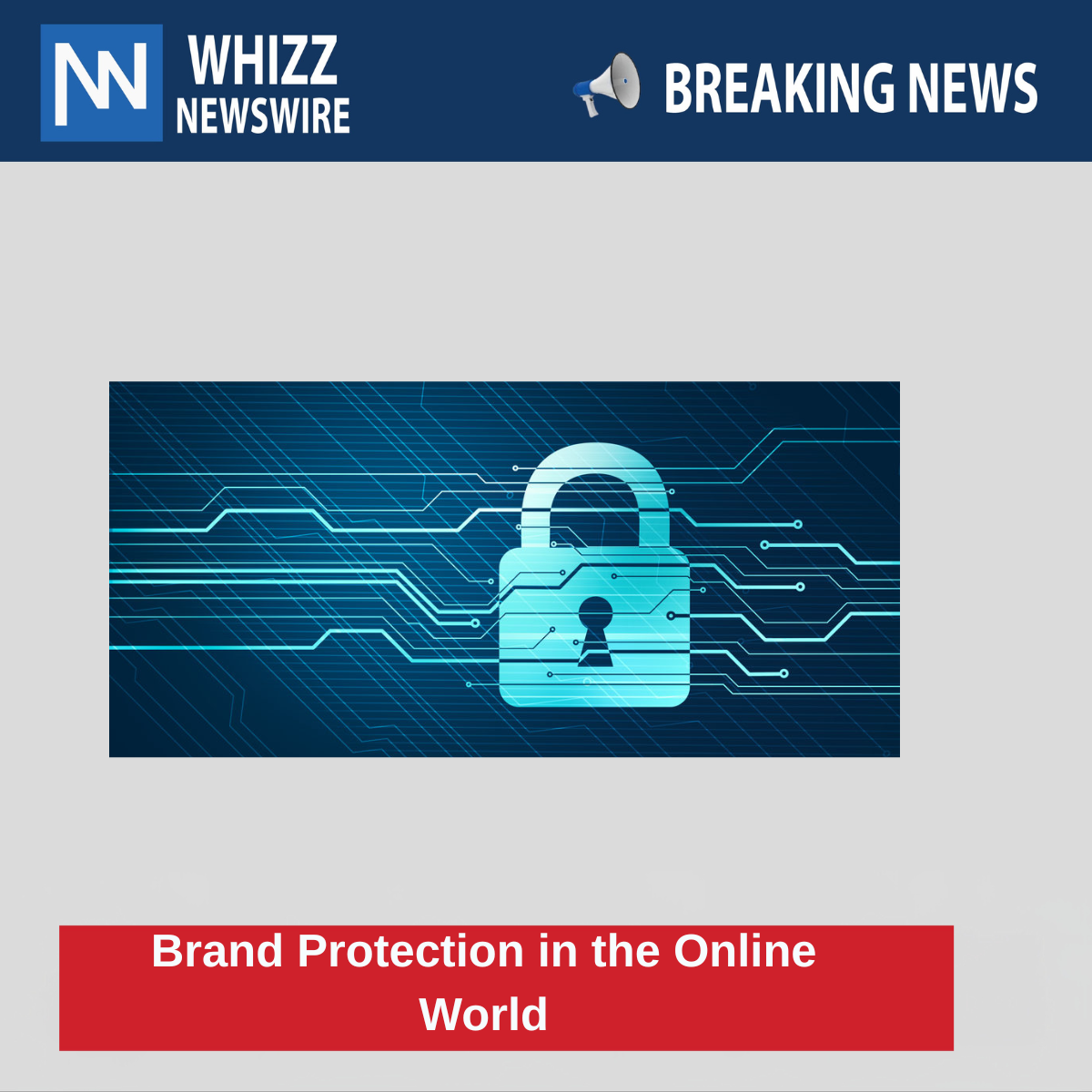
In the age of digital transformation, a brand is more than just a logo or a tagline; it’s your company’s identity, reputation, and trust wrapped into one. But with the rise of e-commerce, social media, and global connectivity, your brand is more vulnerable than ever to online threats.
From counterfeiters to domain squatters, digital pirates to social imposters your brand faces challenges that didn’t even exist two decades ago.
So how do you protect your brand online?
Let’s dive into a full exploration of brand protection in the modern internet era, why it’s critical, and how businesses (large or small) can stay one step ahead.
Why Is Online Brand Protection Important?
1. Reputation Is Everything
Your brand’s reputation is its currency in the digital economy. A single fake product listing or impersonator social account can damage years of hard-earned trust.
2. The Internet Never Sleeps
Unlike physical storefronts, online threats are global and 24/7. A scammer in one country can spoof your product in another before you even notice.
3. Counterfeits and Scams Hurt Customers
Fake websites, social pages, and listings can trick your loyal customers, leading to bad experiences, lost trust, and negative reviews even if you weren’t responsible.
4. Loss of Revenue
Every counterfeit sale or misused trademark means lost sales and possibly costly legal battles.
5. Search Engine and Social Media Visibility
Imposters can outrank or dilute your SEO, push your content off top spots, or abuse your brand hashtags.
Common Online Brand Threats
| Threat Type | Description |
| Cybersquatting | Someone buys a domain name similar to your brand (e.g., amaz0n.com) |
| Counterfeit Products | Fake or low-quality copies of your products sold online |
| Social Media Impersonation | Fake profiles using your brand name or logo to scam followers |
| Phishing Sites | Fake websites designed to steal user data or trick people into fake purchases |
| Trademark Infringement | Use of your logo, name, or slogan without permission |
| SEO Hijacking | Competitors or scammers hijack keywords and mislead traffic |
| Review Manipulation | Fake negative reviews posted to damage your brand’s image |
How to Protect Your Brand Online
1. Register Your Trademarks
Secure your brand name, logo, slogans, and even product names with local and international trademark offices (USPTO, EUIPO, WIPO, etc.). This is your first line of legal defense.
2. Buy Key Domains (and Variations)
Own multiple versions of your domain:
- .com, .net, .org
- Common misspellings
- Country-specific TLDs (e.g., .co.uk, .ca)
This helps prevent cybersquatters from stealing traffic.
3. Monitor Your Brand Online
Use tools and services to track unauthorized use:
- Google Alerts – For mentions of your brand
- BrandShield, Red Points, MarkMonitor – Comprehensive brand protection services
- Reverse Image Search – To detect stolen logos or product images
4. Report and Remove Infringements
Platforms like Amazon, eBay, Instagram, and Facebook have dedicated forms for:
- Impersonation
- Trademark violations
- Counterfeit product listings
Quick action can limit the damage and notify platforms to blacklist repeat offenders.
5. Use DMCA Takedown Requests
The Digital Millennium Copyright Act (DMCA) lets you legally request takedowns of infringing content on U.S.-based platforms and servers.
6. Secure Your Social Handles
Even if you’re not active on every platform, reserve your brand handle on:
- Instagram
- Twitter (X)
- TikTok
- LinkedIn
- YouTube
This prevents others from using them.
7. Use Verified Accounts
Apply for verification on social media platforms to authenticate your brand. Verified badges build trust and distinguish you from imposters.
Advanced Protection Strategies
Use Digital Watermarking
For brands producing visual content or digital assets, watermarking can deter theft and make attribution easier.
Protect E-Commerce Listings
If you sell on marketplaces like Amazon or Etsy:
- Join programs like Amazon Brand Registry
- Use tools to monitor reviews and seller listings
Leverage Blockchain (for luxury brands)
Some high-end brands now register products on blockchain to prove authenticity and trace product origins.
Legal Readiness
Have a legal partner ready for:
- Cease and desist letters
- DMCA filings
- Trademark litigation
Case Studies of Online Brand Theft
Nike
Nike constantly battles counterfeiters selling fake sneakers on rogue websites and Instagram ads. Their global legal team shuts down thousands of listings monthly using AI-powered monitoring tools.
Louis Vuitton
LV fights counterfeit handbags and uses RFID and blockchain tech to track each item’s origin and prove authenticity in online resale markets.
A Small Business Example
An Etsy jewelry shop found their original designs copied by a mass-producer overseas. By filing a DMCA takedown and enlisting an IP attorney, they restored their brand presence within a few weeks.
Educating Your Audience
Teach your customers how to:
- Recognize real vs. fake websites
- Only trust verified links and sellers
- Report suspicious listings or social media accounts
A well-informed customer is your first line of defense.
Online Tools for Brand Protection
| Tool/Platform | Purpose |
| Google Alerts | Monitor brand mentions across the web |
| BrandShield | Full-spectrum brand protection & takedown support |
| Red Points | Detects counterfeit listings across marketplaces |
| Namechk | Checks username availability on social platforms |
| Whois Lookup | Identifies domain owners |
| DMCA.com | Manages copyright takedown requests |
Final Thoughts: It’s Not Just About Defense — It’s About Leadership
In today’s digital world, brand protection is no longer optional, it’s essential. But it’s not just about playing defense. By actively managing your brand presence, securing your intellectual property, and educating your audience, you’re sending a clear message:
“We care about our customers, and we stand by the integrity of our name.”
In an age where trust is rare and attention is fleeting, that message can be the most valuable asset your brand owns.
For similar content visit here