
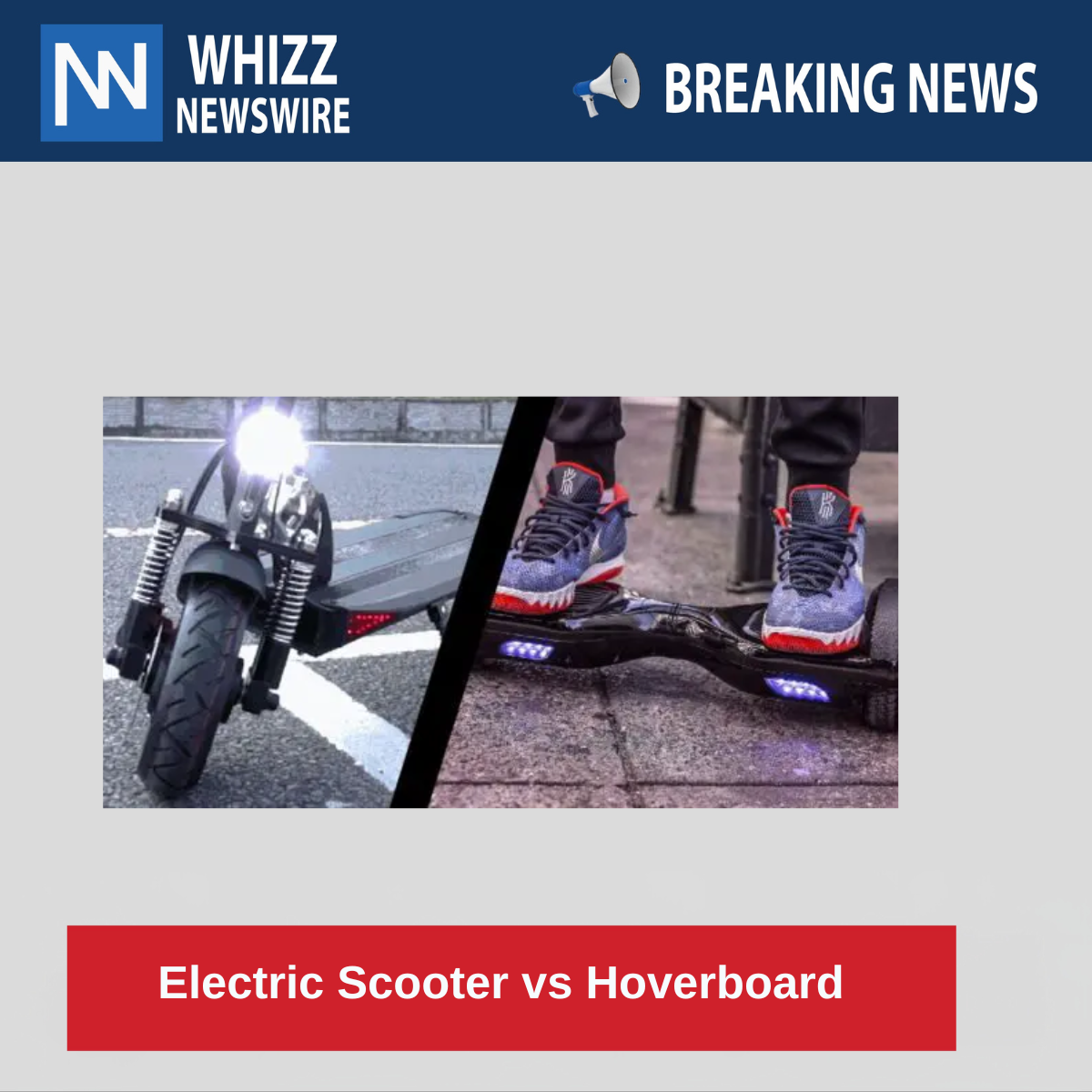
As personal transportation evolves, two exciting gadgets have emerged at the forefront of short-distance travel: electric scooters and hoverboards. Both promise eco-friendly fun, futuristic design, and convenience. However, they serve different purposes and suit different users.
Let’s break them down in full, long detail so you can decide which one fits your lifestyle, safety preferences, and mobility needs.
Background & Popularity
Electric Scooters
Electric scooters have exploded in popularity in urban centers around the world. Their first boom came with companies like Bird, Lime, and Spin, which introduced electric scooters as a ride-sharing solution. Today, you’ll find private and rental e-scooters being used for everything from short commutes to last-mile travel.
Hoverboards
Hoverboards gained attention in the mid-2010s as futuristic personal vehicles inspired by science fiction. While the name “hoverboard” implies floating, these are self-balancing two-wheeled platforms. After early safety concerns (including battery fires), newer hoverboards are safer, certified, and widely used for recreation and short rides, especially among younger users.
Design and Technology
Electric Scooter
- Two large wheels (usually 8″–12″)
- Flat deck to stand on
- Vertical handlebar for steering
- Throttle & brake controls (on the handlebar)
- Often includes LED headlights, tail lights, app connectivity, and folding design
Electric scooters come in two categories:
- Commuter scooters: Lightweight, 10–15 mph, 10–15 miles of range.
- Performance scooters: Larger wheels, 25+ mph, advanced suspension, longer battery range.
Hoverboard
- Two small wheels (6.5″ to 10″) attached to each side of a platform
- No handlebars — fully self-balancing using internal gyroscopes and tilt sensors
- Control via weight shifting: Lean forward to go, backward to slow/stop, twist to turn
Hoverboards often come with:
- Bluetooth speakers
- LED lighting effects
- Mobile apps for calibration and control
- Some have all-terrain tires, but most are for flat, smooth surfaces
Learning Curve
Electric Scooter:
- Very intuitive and beginner-friendly
- Feels like riding a bicycle or kick scooter
- Low learning curve you can ride confidently in minutes
Hoverboard:
- Requires balance and coordination
- Takes time to learn how to mount/dismount and shift weight
- Beginners may struggle and fall without practice
- Younger users often adapt quicker
Battery, Range & Charging
| Feature | Electric Scooter | Hoverboard |
| Range | 10–30 miles | 6–12 miles |
| Top Speed | 15–25+ mph | 6–12 mph |
| Charging Time | 4–8 hours | 2–4 hours |
| Battery | Larger lithium-ion | Smaller lithium-ion |
Verdict: Scooters win in distance, battery capacity, and speed. Hoverboards charge faster but cover shorter distances.
Terrain & Ride Quality
Electric Scooter:
- Built for sidewalks, streets, and bike lanes
- Can handle small bumps and cracks
- Some models include suspension systems for a smoother ride
- Larger wheels mean better stability on uneven terrain
Hoverboard:
- Performs best on flat, smooth indoor or paved surfaces
- Most struggle on grass, gravel, or steep inclines
- Larger wheels (8″–10″) offer slightly better outdoor performance
Safety & Regulations
Electric Scooters:
- Have brakes (electronic, disc, or foot brakes)
- Feature handlebars, which add control and stability
- Legal in most cities (subject to age limits, helmet laws, speed caps)
- Better equipped for braking and emergency maneuvering
Hoverboards:
- No handlebars = less stability
- No traditional brakes you stop by shifting your weight back
- Not always legal on public sidewalks or roads
- Require protective gear: helmet, elbow/knee/wrist pads
Maintenance & Durability
- Electric scooters may need occasional brake adjustment, tire inflation, or battery service.
- Hoverboards have fewer mechanical parts but may need recalibration or firmware updates.
Tip: Always buy certified products with UL 2272 or higher safety ratings.
Price Comparison
| Category | Electric Scooter | Hoverboard |
| Budget Range | $250 – $800 (basic) | $150 – $500 (standard) |
| Premium Range | $1,000 – $2,500+ | $600 – $900+ (off-road, Bluetooth) |
| Maintenance Cost | Moderate | Low |
Use Case Scenarios
| Use Case | Winner | Why |
| Urban commuting | Scooter | Higher range, faster, safer |
| Recreation/fun for kids | Hoverboard | Lightweight, safe for slow indoor use |
| Long-distance travel | Scooter | More powerful battery, better terrain coverage |
| Indoor cruising (home, malls) | Hoverboard | Compact, quiet, fun indoors |
| Beginner-friendly device | Scooter | Easier to learn and ride |
| Cool tech toy for teens | Hoverboard | Flashy, fun, Bluetooth speakers |
Future Outlook
Both electric scooters and hoverboards are part of the micro-mobility revolution, which is shaping the way people move in urban environments.
- Electric scooters are seeing adoption by cities and public transport systems as part of last-mile connectivity. As battery tech and lightweight materials improve, we can expect more powerful, foldable, and connected models.
- Hoverboards are leaning more toward entertainment and education (e.g., balancing skills, motor learning), especially for youth. Innovations may include voice control, AI balancing, and integration with VR.
Final Thought
So, which is better: electric scooter or hoverboard?
- If you need practical, safe, and speedy personal transport especially for commuting, errands, or urban navigation an electric scooter is your best bet.
- If you want a fun, indoor/outdoor ride for short distances, especially for kids, teens, or casual use, a hoverboard is more playful and affordable.
For similar content visit here