
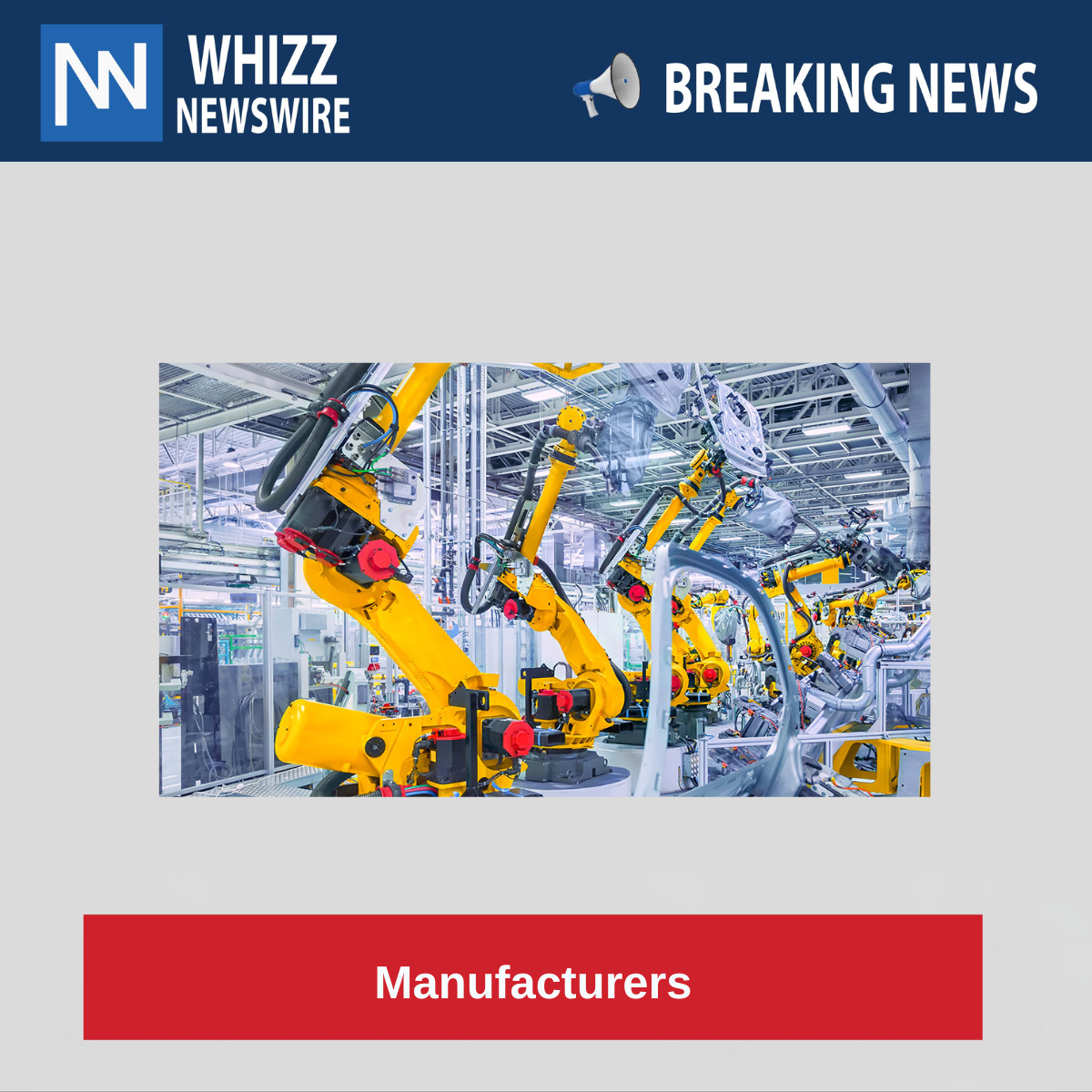
What Are Manufacturers?
Manufacturers are businesses or individuals that produce goods by using labor, tools, machinery, and chemical or biological processing. Their core purpose is to convert raw materials into finished products that are then sold to consumers, wholesalers, retailers, or other manufacturers.
How Manufacturing Works
- Sourcing Raw Materials:
- This is the first stage, where raw materials like steel, cotton, plastic, or electronics parts are sourced from suppliers or natural resources.
- This is the first stage, where raw materials like steel, cotton, plastic, or electronics parts are sourced from suppliers or natural resources.
- Production Process:
- The materials are transformed into usable products using machines, labor, or automated systems.
- This may include assembly lines, cutting, molding, welding, packaging, or painting, depending on the product.
- The materials are transformed into usable products using machines, labor, or automated systems.
- Quality Control:
- Before final products are released, manufacturers run quality checks to ensure items meet set standards.
- Before final products are released, manufacturers run quality checks to ensure items meet set standards.
- Distribution:
- Finished goods are packaged and shipped to wholesalers, retailers, or directly to customers.
- Finished goods are packaged and shipped to wholesalers, retailers, or directly to customers.
Importance of Manufacturers in the Economy
- Job Creation: Manufacturing is a massive employer worldwide.
- Economic Growth: Manufacturing increases a country’s GDP and industrial capabilities.
- Innovation: Many manufacturers invest heavily in R&D to create new products or improve existing ones.
- Global Trade: Countries like China, Germany, and the U.S. thrive on exporting manufactured goods like cars, electronics, and machinery.
Types of Manufacturers
- OEM (Original Equipment Manufacturer):
- They make parts or entire products that are rebranded and sold by other companies (e.g., Foxconn manufactures iPhones for Apple).
- They make parts or entire products that are rebranded and sold by other companies (e.g., Foxconn manufactures iPhones for Apple).
- Contract Manufacturers:
- These firms manufacture goods for other companies based on a contract (common in clothing, electronics, etc.).
- These firms manufacture goods for other companies based on a contract (common in clothing, electronics, etc.).
- Custom Manufacturers:
- Make specialized, often small-batch products tailored to specific customer needs.
- Make specialized, often small-batch products tailored to specific customer needs.
- Mass Manufacturers:
- Large-scale producers that make items in huge quantities (e.g., automobile or smartphone factories).
- Large-scale producers that make items in huge quantities (e.g., automobile or smartphone factories).
Top Manufacturing Sectors Globally
| Sector | Examples |
| Automotive | Toyota, Ford, Tesla |
| Electronics | Samsung, Sony, Intel |
| Apparel & Fashion | Nike, Adidas, Zara |
| Pharmaceuticals | Pfizer, Merck, Johnson & Johnson |
| Heavy Machinery | Caterpillar, Komatsu, John Deere |
| Food & Beverage | Nestlé, PepsiCo, Unilever |
Top Manufacturing Countries
| Country | Strengths |
| China | World’s largest exporter; electronics, machinery |
| USA | Aerospace, automotive, defense, medical tech |
| Germany | Engineering, automotive (Volkswagen, BMW, Siemens) |
| Japan | Electronics, robotics, cars (Toyota, Panasonic) |
| India | Textiles, pharmaceuticals, steel, automobiles |
Examples of Manufactured Products
- Electronics: Phones, laptops, TVs
- Clothing: T-shirts, jeans, jackets
- Automobiles: Cars, trucks, motorcycles
- Furniture: Tables, sofas, beds
- Home Goods: Appliances, cookware, tools
Current Trends in Manufacturing
- Automation & Robotics
- 3D Printing
- Smart Factories (Industry 4.0)
- Sustainability & Green Manufacturing
- On-Demand & Custom Production
For similar content visit here