
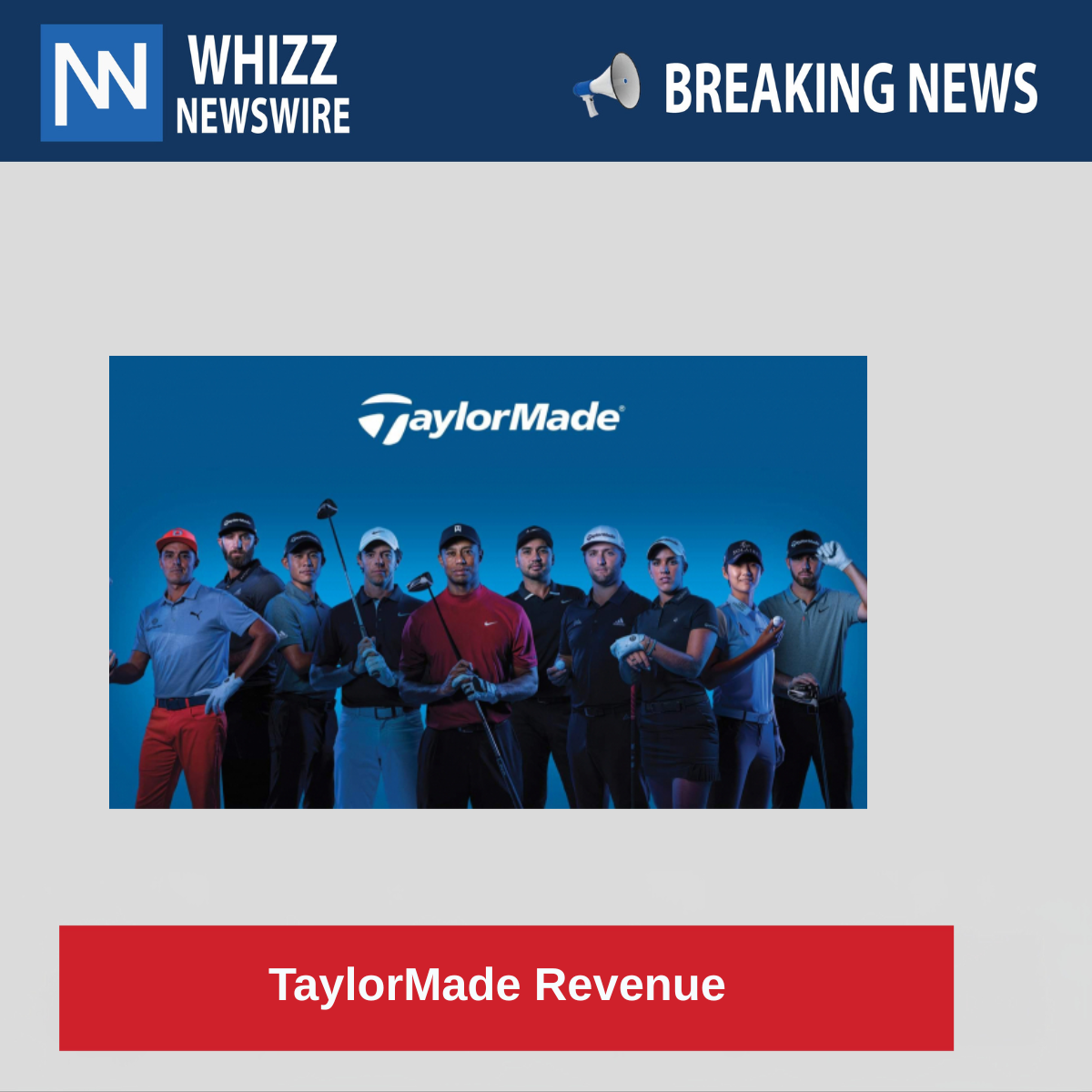
TaylorMade Golf Company has evolved from a niche equipment maker into a global golf powerhouse with billion-dollar annual revenue. Known for its relentless innovation and endorsements by the biggest names in golf, the company has strategically positioned itself at the intersection of technology, performance, and premium branding. This article explores the financial landscape of TaylorMade, focusing on its revenue growth, ownership transitions, competitive strategy, and future potential.
TaylorMade: Company Background
- Founded: 1979 by Gary Adams
- Headquarters: Carlsbad, California, USA
- Industry: Sports Equipment (Golf)
- Current Owner: Centroid Investment Partners (since 2021)
- Previous Owner: Adidas Group (1997–2017)
- Key Products: Golf clubs (drivers, woods, irons, wedges, putters), golf balls, bags, apparel, accessories
TaylorMade made history in 1979 by introducing the first metalwood driver, a groundbreaking innovation that shifted the industry away from traditional wooden golf clubs.
Revenue Overview: How Much Does TaylorMade Make?
TaylorMade’s annual revenue has grown steadily, especially after transitioning to private ownership and focusing aggressively on global expansion and R&D. Although the company does not publicly release its financials as a private firm, industry analysts and financial reports estimate the following:
Estimated Annual Revenue by Year:
| Year | Estimated Revenue | Key Notes |
| 2017 | ~$1.0 billion | Sold by Adidas to KPS Capital Partners |
| 2020 | ~$1.2 billion | COVID-19 boom in outdoor sports |
| 2021 | ~$1.3 billion | Sold to Centroid Investment Partners |
| 2022 | ~$1.6 billion | Global recovery and strong e-commerce |
| 2023 | ~$1.75 billion (est.) | Launch of Stealth Carbonwood series |
| 2024 | $1.8–2.0 billion (est.) | Ongoing innovation, global endorsements |
What Drives TaylorMade’s Growth?
1. Product Innovation
TaylorMade is one of the most technologically advanced brands in golf. Recent innovations include:
- Stealth and Stealth 2 Drivers with carbonwood faces
- SIM Series (Speed Injected Twist Face)
- Performance-focused irons, wedges, and putters
This constant innovation keeps TaylorMade at the cutting edge of golf technology, attracting professional and amateur players alike.
2. World-Class Athlete Endorsements
TaylorMade has a superstar roster of golfers, including:
- Tiger Woods
- Rory McIlroy
- Scottie Scheffler
- Collin Morikawa
- Nelly Korda
These high-profile players bring massive visibility, credibility, and global appeal to the brand, especially during PGA Tour events, LPGA, and majors.
3. Strong Global Presence
TaylorMade has expanded rapidly in markets like:
- Japan and South Korea (golf is a luxury pastime)
- Europe (especially the UK and Scandinavia)
- North America, which remains its core base
The company also emphasizes custom club fitting experiences and e-commerce—two key growth areas since 2020.
Business Model and Strategy
TaylorMade’s revenue streams include:
- Equipment Sales (Drivers, Irons, Putters)
- Golf Balls (TP5, TP5x series)
- Apparel and Accessories
- Custom Fitting Experiences (via studios and mobile vans)
- E-commerce and Global Distribution
Their direct-to-consumer model has been a growing revenue segment, especially with online fittings and exclusive product drops.
Ownership and Impact on Revenue
- In 2017, Adidas sold TaylorMade to KPS Capital Partners for $425 million. KPS helped refocus the company on profitability and performance innovation.
- In 2021, South Korean private equity firm Centroid Investment Partners acquired TaylorMade for $1.7 billion, reflecting the brand’s rapid value appreciation.
- This change allowed TaylorMade to operate independently from big corporations and make faster, more aggressive business decisions—including tapping into Asian markets and streamlining product development.
Market Competition
TaylorMade competes against:
- Callaway Golf (Topgolf Callaway Brands Inc.)
- Titleist (Acushnet Holdings)
- Ping
- Cobra (Puma-owned)
Despite this intense competition, TaylorMade consistently ranks:
- #1 or #2 in global driver sales
- Top 3 in iron, wedge, and golf ball categories
Its brand image as a tech-forward, performance-driven company gives it a strong edge.
Future Outlook: Can TaylorMade Keep Growing?
With golf growing among younger players, influencers, and women, TaylorMade is well-positioned to keep rising. Key future growth areas include:
- Expanding women’s golf segment (led by Nelly Korda)
- Youth-oriented product lines
- Sustainable golf product innovation
- Digital custom fitting + AI golf tech
- Continued celebrity partnerships & virtual golf experiences
Conclusion: TaylorMade Is More Than Just a Golf Brand
TaylorMade’s revenue success is rooted in innovation, global market strategy, athlete branding, and smart ownership decisions. By investing in high-performance technology and offering top-tier custom experiences, the brand doesn’t just sell golf clubs it sells performance, prestige, and trust.
Whether you’re analyzing golf’s business side or studying high-performing consumer brands, TaylorMade is a top-tier example of consistent revenue growth and brand evolution.
For similar content visit here