
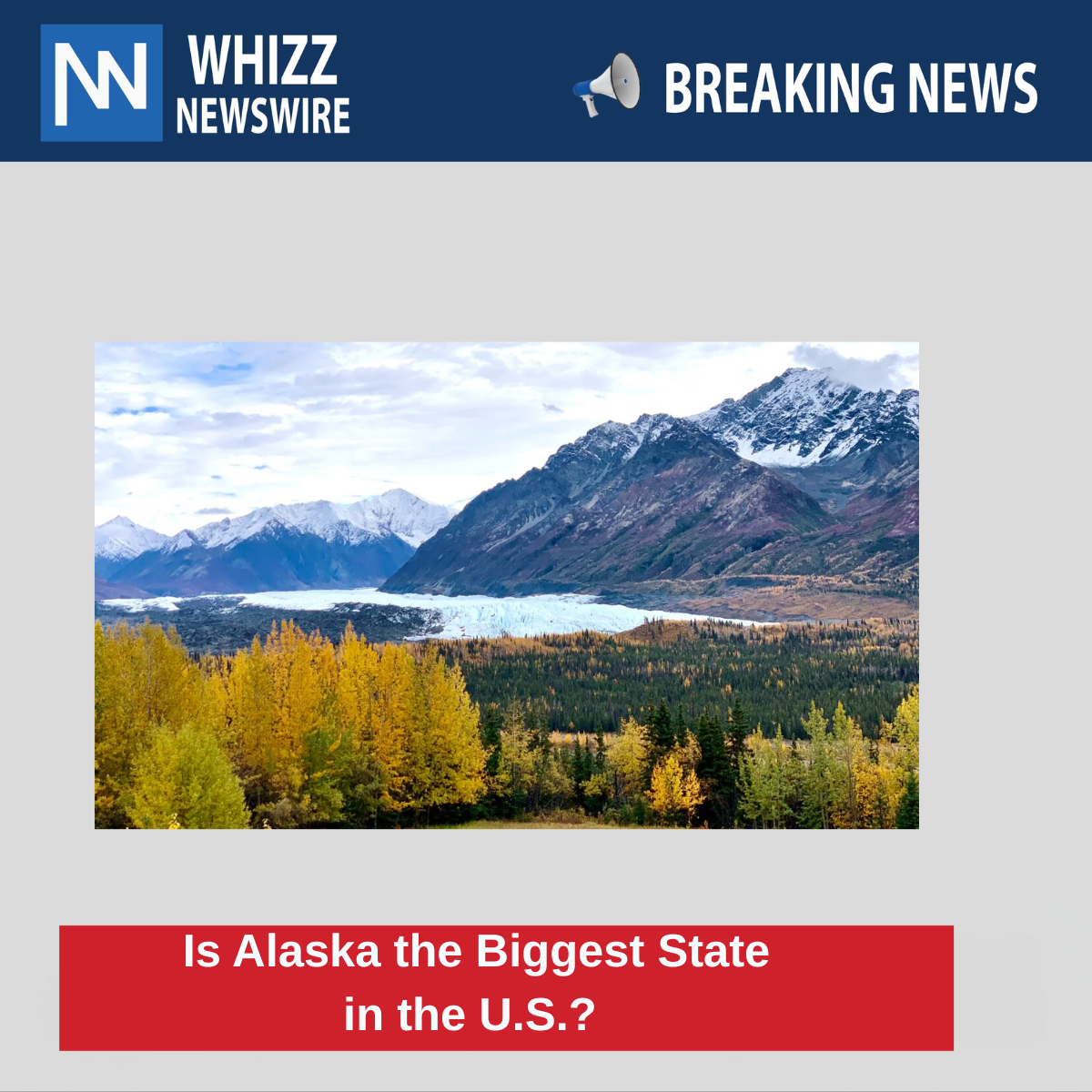
When most people think of “big states,” Texas often comes to mind. Known for its vast landscapes, cattle ranches, and big personality, Texas proudly carries the slogan, “Everything is bigger in Texas.” But when it comes to geographic size, there’s one state that absolutely dwarfs the rest including Texas itself.
That state is Alaska and not just by a little, but by an overwhelming margin.
The Numbers: Just How Big Is Alaska?
Let’s put this into perspective with official data:
- Total Area of Alaska:
663,267 square miles (1,717,856 square kilometers)
Compare that to the next largest states:
- Texas – 268,596 sq mi (695,662 km²)
- California – 163,695 sq mi (423,970 km²)
- Montana – 147,040 sq mi (380,831 km²)
Conclusion:
Alaska is:
- 2.5 times larger than Texas
- 4 times larger than California
- Bigger than the 22 smallest U.S. states combined
- One-fifth the size of the entire contiguous U.S.
If Alaska were its own country, it would rank around 18th largest in the world, just behind Libya and ahead of Iran.
Coastline Comparison
Alaska also dominates in terms of coastline.
- Alaska’s coastline: Over 33,000 miles (53,000 km) if you include all islands and inlets.
- That’s more than the combined coastlines of all other 49 states.
- This vast oceanic boundary contributes to the state’s rich maritime heritage, from fishing to shipping and naval activity.
Geographic Diversity
Alaska isn’t just big, it’s wild, rugged, and breathtakingly diverse. It features:
- Mountains: Including Denali (formerly Mt. McKinley), the highest peak in North America at 20,310 feet (6,190 meters)
- Glaciers: Thousands, with some larger than small U.S. states
- Volcanoes: Over 130, many still active
- Tundra: Expansive arctic plains, especially in the north
- Forests: Lush evergreen regions in the southeast
- Rivers: The Yukon River, one of the longest in North America
- Wildlife: Bears, moose, caribou, bald eagles, whales, and more
This diversity exists in a space so large that you could fit Texas, California, and Montana inside Alaska with room to spare.
Population vs. Size
Despite being the largest state by area, Alaska is one of the smallest by population.
- Population (2025 est.): ~730,000 people
- Population Density: 1.2 people per square mile
- Compared to:
- Texas: 30 million+ people
- California: 39 million+ people
- Texas: 30 million+ people
Most Alaskans live in Anchorage, Fairbanks, or Juneau, while much of the state remains untouched wilderness.
Historical Context
Purchase from Russia:
- Year: 1867
- Price: $7.2 million (~2 cents per acre)
- At the time, the deal was called “Seward’s Folly” and many Americans thought it was a waste of money. Today, it’s considered one of the most valuable land acquisitions in U.S. history due to Alaska’s oil, natural gas, gold, and strategic location.
Became a State:
- Date: January 3, 1959
- Statehood Rank: 49th
Economic and Strategic Importance
While Alaska may be remote and sparsely populated, it plays a significant role in U.S. economics and defense.
Natural Resources:
- Oil and Natural Gas: Major source of U.S. domestic energy
- Fishing Industry: Salmon, crab, cod, and more
- Mining: Gold, zinc, coal, and rare earth minerals
Military Strategy:
- Alaska’s proximity to Russia, Asia, and the Arctic makes it crucial for defense and surveillance
- Home to key Air Force and Army bases, including Eielson AFB and Joint Base Elmendorf-Richardson
Tourism and Culture
Alaska draws over a million visitors a year thanks to:
- Northern Lights (Aurora Borealis) viewing
- Cruise ship tours along the Inside Passage
- Hiking and wildlife excursions
- Dog sledding and Iditarod race
- Indigenous cultures including the Inuit, Yupik, and Tlingit peoples
Despite the rugged conditions, tourists come seeking adventure, solitude, and nature on a grand scale.
Climate Extremes
Alaska is home to some of the coldest and snowiest places in North America:
- Coldest Temperature: –80°F (–62°C) in Prospect Creek (1971)
- Summer Highs: Can reach over 90°F (32°C) in Fairbanks
- Barrow (Utqiaġvik): Experiences polar night—no sunlight for over 60 days in winter
Quick Fun Facts
- Alaska has no counties—it’s divided into boroughs and census areas
- Official State Sport: Dog mushing
- Alaska has more pilots per capita than any other U.S. state
- It’s the only state where you can see Russia from your backyard (sort of—just 2.4 miles away at Little Diomede Island)
Certainly! Here’s a refined “Final Thoughts” section for your long article about Alaska being the biggest U.S. state:
Final Thoughts
Alaska is more than just the largest state in America; it’s a land of extremes, wonder, and untamed beauty. Its staggering size is matched by its diverse geography, rich natural resources, and deep cultural heritage. While its population is small and much of the state remains wild and remote, Alaska plays an outsized role in America’s identity, economy, and strategic strength.
Whether you’re fascinated by snow-capped mountains, the glow of the northern lights, or the silent power of glaciers, Alaska offers a scale and serenity you won’t find anywhere else in the country or the world.
For similar content visit here